 Deutsch
 English
 Español
 عربى
عربى русский
 Français
Inhalt
- 1 Entwicklung des Vestibularsystems durch Schwingen
- 2 Vorteile für die Grobmotorik und die körperliche Entwicklung
- 3 Emotionale Regulierung und beruhigende Wirkung
- 4 Soziale und unabhängige Spielentwicklung
- 5 Entwicklungsvorteile nach Altersgruppe
- 6 Vorteile der kognitiven und sensorischen Verarbeitung
- 7 Wie oft und wie lange sollten Kinder einen Schaukelsitz benutzen?
- 8 Wählen Sie einen Schaukelsitz, der diese Entwicklungsvorteile unterstützt
- 9 Häufig gestellte Fragen zur Bedeutung von Schaukelsitzen für Kinder
- 9.1 Ab welchem Alter kann ein Kind einen Schaukelsitz benutzen?
- 9.2 Kann Schaukeln Kindern helfen, die Schwierigkeiten mit der sensorischen Verarbeitung haben?
- 9.3 Ist zu viel Schaukeln jemals ein Problem für ein Kind?
- 9.4 Bietet Schwingen vergleichbare Trainingsvorteile wie andere körperliche Aktivitäten?
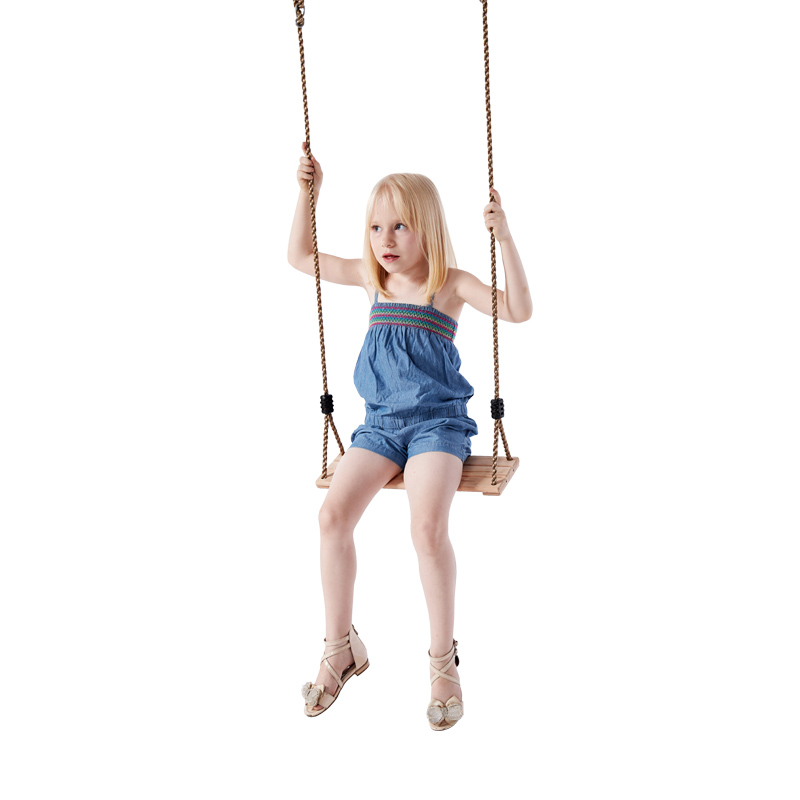
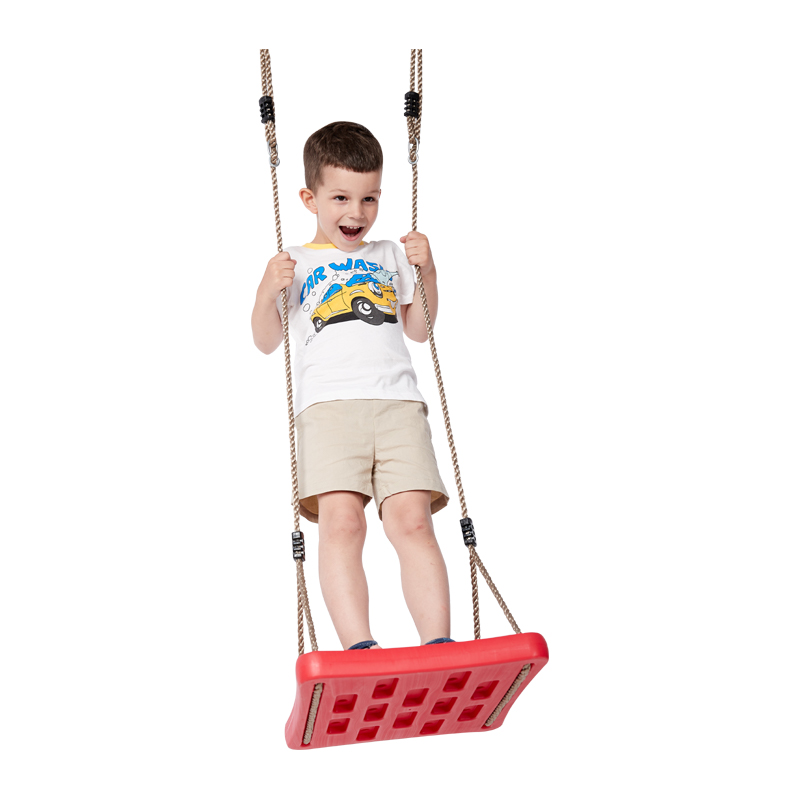
A Kinderschaukelsitz ist wichtig, da das Schaukeln eine der konzentriertesten und zugänglichsten Formen der Gleichgewichtsstimulation, der grobmotorischen Entwicklung und der sensorischen Regulierung darstellt, die einem kleinen Kind beim Spielen im Freien zur Verfügung steht. Durch die rhythmische Hin- und Herbewegung wird das Vestibularsystem im Innenohr aktiviert, das eine zentrale Rolle für das Gleichgewicht, die räumliche Orientierung und die Bewegungskoordination spielt – Funktionen, die sich noch in der frühen Kindheit aktiv entwickeln. Neben den Vorteilen für die körperliche Entwicklung unterstützt das Schaukeln auch die emotionale Regulierung, die soziale Interaktion und die unabhängige Risikoeinschätzung, was es zu einer einzigartig wertvollen Einzelaktivität im Rahmen der gesamten Entwicklungserfahrung eines Kindes macht.
Im Gegensatz zu vielen anderen Spielplatzaktivitäten, bei denen in erster Linie entweder die grobmotorischen Fähigkeiten oder das soziale Spiel im Vordergrund stehen, ist Schaukeln ein Erfolg Gleichzeitige Vorteile für die vestibuläre, propriozeptive und emotionale Regulierung in einer einzigen sich wiederholenden Bewegung, weshalb Ergotherapeuten und Kinderentwicklungsspezialisten das Schaukeln immer wieder als eine der therapeutisch wertvollsten Formen des unstrukturierten Spielens im Freien bezeichnen, die Kindern nahezu aller Altersgruppen und Entwicklungsstadien zur Verfügung steht.
Entwicklung des Vestibularsystems durch Schwingen
Das Vestibularsystem im Innenohr erkennt Kopfposition, Bewegung und Beschleunigung und ist eines der grundlegenden sensorischen Systeme, die die gesamte körperliche und kognitive Entwicklung eines Kindes unterstützen. Schwingen wird in der pädiatrischen Ergotherapie-Literatur weithin als eine der effektivsten und natürlichsten Aktivitäten zur Stimulierung dieses Systems bei kleinen Kindern anerkannt.
Wie Schwingbewegungen das Vestibularsystem stimulieren
Die Pendelbewegung einer Schaukel erzeugt kontinuierliche Änderungen der linearen und Winkelbeschleunigung, die von den Bogengängen und Otolithenorganen im Innenohr erfasst werden. Dieser anhaltende, rhythmische Input unterscheidet sich von der kurzen vestibulären Stimulation durch Aktivitäten wie Gehen oder Laufen, und die vorhersehbare, sich wiederholende Natur der Schwingbewegung ermöglicht es dem sich entwickelnden Gehirn, den vestibulären Input auf kontrollierte und risikoarme Weise zu verarbeiten und sich daran anzupassen. Laut Forschungsergebnissen, die in von der American Occupational Therapy Association (AOTA) veröffentlichten pädiatrischen Ergotherapie-Ressourcen zusammengefasst sind, werden Aktivitäten zur Vestibulärstimulation, einschließlich Schwingen, häufig in sensorische Integrationstherapieprogramme integriert, insbesondere aufgrund ihres messbaren Einflusses auf die Gleichgewichts- und Koordinationsentwicklung bei Kindern.
Ein gut entwickeltes Vestibularsystem unterstützt ein breites Spektrum alltäglicher Kindheitsfunktionen, die weit über Aktivitäten auf dem Spielplatz hinausgehen, einschließlich der Fähigkeit, aufrecht und in guter Haltung zu sitzen, ohne übermäßiges Stolpern zu gehen und zu rennen, sich bewegende Objekte visuell zu verfolgen und das Gleichgewicht zu halten, wenn man auf einem Fuß steht oder sich über unebene Oberflächen bewegt. Kinder mit unterentwickelter vestibulärer Verarbeitung können Schwierigkeiten bei der Koordination, dem Gleichgewicht und sogar beim Lesen haben, da die Blickstabilität beim Lesen teilweise von den vestibulär-okulären Reflexen abhängt. Der regelmäßige Zugang zu Schaukeln und anderen Spielaktivitäten, die den Vestibularbereich fördern, in der frühen Kindheit unterstützt die natürliche Entwicklung dieser miteinander verbundenen Systeme in den Jahren, in denen die Nervenbahnen am anpassungsfähigsten sind.
Vorteile für die Grobmotorik und die körperliche Entwicklung
Über die Vestibularstimulation hinaus beansprucht der physische Akt des Schwingens mehrere Muskelgruppen und motorische Planungsprozesse, die einen sinnvollen Beitrag zur gesamten grobmotorischen Entwicklung eines Kindes leisten.
Rumpfstärke und Haltungskontrolle
Das Aufrechterhalten einer aufrechten, ausgeglichenen Position auf einem Schaukelsitz während der gesamten Schaukelbewegung erfordert eine kontinuierliche, sanfte Beanspruchung der Bauch- und Rückenmuskulatur. Diese anhaltende Haltungsforderung, die sich über viele Monate und Jahre hinweg in vielen Schwungübungen in der Kindheit wiederholt, trägt zur Entwicklung der Kernkraft und Haltungskontrolle bei, die ein breites Spektrum anderer körperlicher Aktivitäten unterstützt, vom aufmerksamen Sitzen am Schreibtisch bis zur Teilnahme an Sportarten, die ein dynamisches Gleichgewicht erfordern.
Motorplanung und Selbstantrieb
Ältere Kinder, die gelernt haben, einen Schwung selbständig zu pumpen – indem sie Beinstreckung und Körperneigung im Einklang mit dem natürlichen Rhythmus der Schwungbewegung koordinieren –, nehmen an einer anspruchsvollen motorischen Planungsaufgabe teil, bei der das Gehirn eine Bewegungsabfolge vorhersagen und zeitlich festlegen muss, um ein bestimmtes körperliches Ergebnis zu erzielen. Diese Fähigkeit, in der Ergotherapie-Terminologie manchmal auch motorische Praxis genannt, entwickelt sich im Laufe der Kindheit schrittweise weiter, und das selbstfahrende Schwingen wird von pädiatrischen Therapeuten häufig sowohl als Indikator als auch als Faktor für die Weiterentwicklung der motorischen Planungsfähigkeit angeführt, die sich typischerweise zwischen etwa 30 und 50 Jahren entwickelt im Alter von 4 und 6 Jahren bei normal entwickelten Kindern.
Griffstärke und Oberkörpereinsatz
Das Festhalten an den Ketten oder Seilen eines Schaukelsitzes während des aktiven Gebrauchs beansprucht die Griffkraft von Hand und Unterarm, während die allgemeinen Haltungsanforderungen beim Schaukeln auch die Schulter- und oberen Rückenmuskulatur beanspruchen, um die Stabilität aufrechtzuerhalten. Insbesondere für jüngere Kinder bietet dieser wiederholte Griffeinsatz während einer von Natur aus angenehmen Aktivität eine Möglichkeit, mit geringem Druck Handkraft aufzubauen, die spätere feinmotorische Aufgaben wie Handschrift und Werkzeuggebrauch unterstützt.
Emotionale Regulierung und beruhigende Wirkung
Über die Vorteile für die körperliche Entwicklung hinaus hat die rhythmische und vorhersehbare Natur des Schaukelns eine anerkannte beruhigende und regulierende Wirkung auf das Nervensystem, was es zu einem wertvollen Instrument für die emotionale Selbstregulierung bei Kindern macht.
Rhythmische Bewegung und das parasympathische Nervensystem
Langsame, vorhersehbare rhythmische Bewegungen, einschließlich der linearen Hin- und Herbewegung des Schwingens, werden im Rahmen der sensorischen Integration so verstanden, dass sie eine allgemein beruhigende Wirkung auf das Nervensystem haben, indem sie die parasympathische Aktivität („Ruhe und Verdauung“) unterstützen, im Gegensatz zu der eher erregenden Wirkung schneller, unvorhersehbarer oder sich drehender Bewegungen. Dies ist einer der Gründe, warum Schaukeln häufig als Selbstregulierungsstrategie für Kinder empfohlen wird, bei denen Unterschiede in der sensorischen Verarbeitung auftreten, darunter viele Kinder mit Autismus-Spektrum-Störungen, bei denen Ergotherapieprogramme häufig strukturierte Schaukelaktivitäten als Teil einer umfassenderen sensorischen Ernährung umfassen, die die emotionale und Aufmerksamkeitsregulation den ganzen Tag über unterstützen soll.
Stressreduzierung und Verbesserung der Stimmung für alle Kinder
Während das Schaukeln in therapeutischen Kontexten für Kinder mit spezifischen sensorischen Bedürfnissen besonders hervorgehoben wird, sind die beruhigenden und stimmungsaufhellenden Vorteile des rhythmischen Spielens im Freien auch auf normal entwickelte Kinder anwendbar. Aktives Spielen im Freien im Allgemeinen, einschließlich Schaukeln, wird in der pädiatrischen Gesundheitsliteratur mit einer Verringerung der Stressindikatoren und einer Verbesserung der Stimmung in Verbindung gebracht, was zur anhaltenden Beliebtheit des Schaukelns als selbstgewählter beruhigender Aktivität beiträgt, zu der Kinder häufig selbstständig zurückkehren, wenn sie eine Pause von anregenderen oder sozial anspruchsvolleren Aktivitäten suchen.
Soziale und unabhängige Spielentwicklung
Schaukeln unterstützt die Entwicklung sozialer Fähigkeiten in einer Weise, die sich deutlich von eher kooperativen Spielplatzgeräten wie Klettergerüsten oder Wippen unterscheidet, und bietet gleichzeitig wertvolle Möglichkeiten für unabhängiges, selbstgesteuertes Spielen.
Abwechslung und Geduld
Da die Anzahl der Schaukelsitze in der Regel im Verhältnis zu den Kindern, die sie auf einem bestimmten Spielplatz nutzen möchten, begrenzt ist, gehört das Warten darauf, dass eine Schaukel an die Reihe kommt, häufig zu den frühesten praktischen Erfahrungen eines kleinen Kindes mit dem Abwechseln und der verzögerten Befriedigung in einem sozialen Umfeld. Diese natürlich vorkommende soziale Aushandlung – das Anfordern einer Wendung, das angemessene Warten und schließlich die Übergabe der Schaukel an das nächste Kind – ermöglicht die wiederholte, risikoarme Übung sozialer Fähigkeiten, die sich im Laufe der Kindheit auf viele andere kooperative Kontexte übertragen lässt.
Parallele und kooperative soziale Interaktion
Kinder, die nebeneinander auf benachbarten Sitzen schaukeln, führen häufig Gespräche, einen freundschaftlichen Wettbewerb darüber, wer höher schaukeln kann, oder koordinierte Aktivitäten wie den Versuch, synchron mit einem Freund zu schaukeln. Dieses parallele Spielformat – die Teilnahme an der gleichen Aktivität mit Gleichaltrigen, ohne dass eine direkte körperliche Zusammenarbeit erforderlich ist – ist für die Entwicklung von Bedeutung, da es die Lücke zwischen Einzelspiel und dem komplexeren kooperativen Spiel schließt, das sich später in der Kindheit entwickelt.
Unabhängige Meisterschaft und Selbstvertrauensaufbau
Das Erlernen, selbständig auf einen Schaukelsitz zu steigen, ohne die Hilfe eines Erwachsenen zu pumpen und sich selbst fortzubewegen und sicher abzusteigen, stellt schrittweise Meisterschaftsmeilensteine dar, die das Vertrauen eines Kindes in seine eigenen körperlichen Fähigkeiten stärken. In der Literatur zur kindlichen Entwicklung zum Spielen im Freien, einschließlich der Leitlinien der American Academy of Pediatrics zur Bedeutung des aktiven Spielens im Freien, wird immer wieder darauf hingewiesen, dass die Möglichkeit für Kinder, ihre körperlichen Fähigkeiten in einer einigermaßen sicheren Umgebung zu testen und zu erweitern, erheblich zum Selbstvertrauen und einem positiven Gefühl körperlicher Kompetenz beiträgt, das sich auf andere Entwicklungsbereiche erstreckt.
Entwicklungsvorteile nach Altersgruppe
Der spezifische Entwicklungswert des Schaukelns verschiebt sich etwas mit zunehmendem Alter der Kinder und spiegelt die unterschiedlichen motorischen und kognitiven Meilensteine wider, die in jeder Phase relevant sind. Die folgende Tabelle fasst die primären Entwicklungsschwerpunkte für die Verwendung von Schaukelsitzen in gängigen Altersgruppen im frühen Kindesalter zusammen.
| Altersspanne | Typischer Sitztyp | Primärer Entwicklungsschwerpunkt | Grad der Beteiligung Erwachsener |
|---|---|---|---|
| 6 Monate bis 2 Jahre | Schalensitz oder volltragender Gurtsitz | Frühe Vestibularstimulation; Vertrauen in die Bewegung; sensorische Exposition | Volle Aufsicht durch Erwachsene und sanftes Schieben erforderlich |
| 2 bis 4 Jahre | Übergang vom Schalensitz zum Gurtsitz | Haltungskontrolle; wachsender Komfort durch unabhängige Bewegung | Enge Aufsicht, gemeinsames Schieben mit Hilfe eines Erwachsenen |
| 4 bis 6 Jahre | Gurt- oder Flachbrettsitz | Motorplanung; Selbstfahren lernen; Abwechselnd | Aufsicht mit zunehmender Selbständigkeit |
| 6 Jahre und älter | Flacher Brettsitz | Vollständiger Eigenantrieb; soziales Spiel; körperliches Selbstvertrauen und Risikoeinschätzung | Allgemeine Aufsicht, weitgehend selbständige Nutzung |
Vorteile der kognitiven und sensorischen Verarbeitung
Beim Schaukeln werden auch kognitive Prozesse im Zusammenhang mit räumlichem Bewusstsein, Ursache-Wirkungs-Verständnis und sensorischer Integration aktiviert, die zu einer größeren Lernbereitschaft bei kleinen Kindern beitragen.
Raumbewusstsein und Körperpositionierung
Während ein Kind schwingt, verarbeitet sein Gehirn kontinuierlich Informationen über die Körperposition relativ zum Boden, die Höhe und Geschwindigkeit des Bogens sowie den Zusammenhang zwischen seinen eigenen Bewegungen und der daraus resultierenden Bewegungsänderung. Diese fortlaufende räumliche Verarbeitungsaufgabe trägt zur Entwicklung des Körperbewusstseins bei, das manchmal auch als Propriozeption bezeichnet wird, wenn es um das Gefühl der eigenen Körperposition und -bewegung geht, das vielen alltäglichen körperlichen Fähigkeiten zugrunde liegt, darunter das Navigieren in überfüllten Räumen, das Einschätzen von Entfernungen und das Koordinieren von Bewegungen bei Sport und Spielen später in der Kindheit.
Verständnis von Ursache und Wirkung
Kleine Kinder, die das Schwingen erlernen, erleben eine direkte, unmittelbare und körperlich spürbare Demonstration von Ursache und Wirkung: Das Zurücklehnen und Ausstrecken der Beine im richtigen Moment führt zu einem spürbar höheren Schwungbogen, während das Stoppen der Pumpbewegung dazu führt, dass der Schwung allmählich langsamer wird. Diese verkörperte, körperlich erlebte Form des Ursache-Wirkungs-Lernens unterscheidet sich in der Entwicklung von den abstrakteren Ursache-Wirkungs-Konzepten, denen Kinder in Büchern oder strukturierten Lernaktivitäten begegnen, und ergänzt diese. Sie bietet eine konkrete, einprägsame Grundlage für spätere abstrakte Überlegungen zu Ursachen und Folgen.
Sensorische Integration über mehrere Systeme hinweg
Beim Schwingen werden gleichzeitig das Vestibularsystem (Bewegung und Gleichgewicht), das propriozeptive System (Körperposition und Muskeleingriff) und die visuelle Verarbeitung (Verfolgung des sich ändernden Gesichtsfelds während der Bewegung des Schwungs durch seinen Bogen) beansprucht. Dieses kombinierte sensorische Engagement mehrerer Systeme ist einer der Gründe dafür, dass Therapeuten für sensorische Integration das Schwingen häufig als grundlegende Aktivität in umfassenderen Therapieprogrammen auswählen, da nur wenige natürlich vorkommende Spielaktivitäten diese spezielle Kombination sensorischer Systeme gleichzeitig in einer einzigen wiederholten Bewegung aktivieren.
Wie oft und wie lange sollten Kinder einen Schaukelsitz benutzen?
Obwohl es keine allgemeingültige vorgeschriebene Dauer gibt, bieten allgemeine Empfehlungen aus Empfehlungen zum Spielen im Freien und zu körperlicher Aktivität einen nützlichen Bezugsrahmen für die Integration der Schaukelsitznutzung in den normalen Tagesablauf eines Kindes.
- Tägliches aktives Spielen im Freien: Die Weltgesundheitsorganisation empfiehlt Kindern im Alter von 3 bis 4 Jahren, sich mindestens daran zu beteiligen 180 Minuten körperliche Aktivität über den Tag verteilt , einschließlich mindestens 60 Minuten mäßiger bis intensiver Aktivität, wobei das Schwingen einen zugänglichen und angenehmen Bestandteil dieses umfassenderen täglichen Aktivitätsziels darstellt und kein vollständiges Aktivitätsprogramm für sich darstellt.
- Sitzungsdauer: Die meisten Kinder regulieren die Länge der Schaukelsitzung auf natürliche Weise selbst und schwingen oft 5 bis 15 Minuten am Stück, bevor sie zu einer anderen Aktivität übergehen. Es besteht im Allgemeinen keine Notwendigkeit, dem typischen Freizeitschaukeln für ein sich normal entwickelndes Kind strenge zeitliche Beschränkungen aufzuerlegen, ohne dass eine spezifische medizinische Anleitung etwas anderes nahelegt.
- Häufigkeit über die Woche: Regelmäßiger, wiederholter Zugang zum Schaukeln – sei es täglich bei einer Heiminstallation oder mehrmals wöchentlich auf einem öffentlichen Spielplatz – fördert konsistentere Vorteile für die Entwicklung des Vestibularapparats und der Motorik als gelegentlicher, seltener Kontakt, einfach weil die Entwicklung von Fähigkeiten und die sensorische Anpassung von wiederholtem Üben im Laufe der Zeit profitieren.
- Anzeichen dafür, dass ein Kind genug hat: Schwindelgefühle, der geäußerte Wunsch aufzuhören oder sichtbare Orientierungslosigkeit beim Absteigen sind normale Signale dafür, dass ein Kind einen geeigneten Haltepunkt für diese Sitzung erreicht hat, und die Beachtung dieser Selbstregulierungssignale unterstützt im Laufe der Zeit eine positive, angenehme Beziehung zu der Aktivität.
Wählen Sie einen Schaukelsitz, der diese Entwicklungsvorteile unterstützt
Um das gesamte Spektrum der in diesem Artikel diskutierten Entwicklungsvorteile zu erfassen, müssen die spezifischen Kinderschaukelsitz Der ausgewählte Sitz sollte dem aktuellen Alter, der Größe und dem Entwicklungsstadium des Kindes angemessen sein, da ein Sitz, der für die aktuellen Bedürfnisse eines Kindes zu fortgeschritten oder zu einfach ist, entweder die Sicherheit oder den Entwicklungswert einschränken kann.
- Passen Sie den Sitztyp an das Entwicklungsstadium an: Volltragende Schalen- oder Gurtsitze eignen sich für Säuglinge und Kleinkinder, die noch nicht das selbstständige Gleichgewicht im Sitzen aufrechterhalten können, während Gurtsitze und eventuell flache Brettsitze die wachsende Haltungskontrolle und motorische Planungsfähigkeiten von Kindern im Vorschul- und Schulalter unterstützen.
- Bestätigen Sie die entsprechende Gewichts- und Größenbewertung: Durch die Wahl eines Sitzes, der für das aktuelle Gewicht und die aktuelle Größe des Kindes ausgelegt ist und entsprechende Wachstumsspielräume bietet, wird sichergestellt, dass die Entwicklungsvorteile des Schaukelns sicher zum Tragen kommen, wenn das Kind in einen bestimmten Sitztyp hineinwächst und schließlich aus ihm herauswächst.
- Berücksichtigen Sie den Materialkomfort für eine längere Nutzung: Da die Entwicklungsvorteile des Schaukelns von der regelmäßigen, anhaltenden Nutzung über Monate und Jahre hinweg abhängen, unterstützt ein Sitzmaterial, das auch bei längeren Sitzungen bequem bleibt – ohne übermäßige Wärmespeicherung bei Sonneneinstrahlung oder Materialsteifheit, die Unbehagen verursacht – die Art von regelmäßigem Engagement, das im Laufe der Zeit sinnvolle Entwicklungsvorteile bringt.
- Priorisieren Sie sichere, ausgereifte Befestigungshardware: Ein Sitz mit zuverlässigen, ordnungsgemäß ausgelegten Federungs- und Verbindungselementen gibt Kindern die Freiheit, sich voll und sicher auf das aktive Schaukeln und den Eigenantrieb einzulassen, was notwendig ist, um die in diesem Artikel besprochenen motorischen Planungs- und Gleichgewichtsvorteile zu nutzen, ohne dass die Aktivität durch Sicherheitsbedenken hinsichtlich der Ausrüstung selbst eingeschränkt wird.
Häufig gestellte Fragen zur Bedeutung von Schaukelsitzen für Kinder
Ab welchem Alter kann ein Kind einen Schaukelsitz benutzen?
Sobald Kleinkinder in der Lage sind, mit einer einigermaßen stabilen Kopf- und Nackenkontrolle zu sitzen, normalerweise in der Nähe, können sie in der Regel mit der Verwendung eines ordnungsgemäß konstruierten volltragenden Eimer- oder Gurtschaukelsitzes beginnen 6 Monate alt Allerdings können spezifische Richtlinien variieren und Betreuer sollten sich immer an die vom Hersteller angegebenen Mindestalter- und Entwicklungsempfehlungen für das jeweils verwendete Sitzmodell halten. Kinder sollten keine für ältere Altersgruppen konzipierten Sitze wie Gurt- oder Flachbrettsitze verwenden, bis sie ausreichend unabhängiges Sitzgleichgewicht und Kernkraft entwickelt haben, um während der gesamten aktiven Bewegung sicher sitzen zu bleiben.
Kann Schaukeln Kindern helfen, die Schwierigkeiten mit der sensorischen Verarbeitung haben?
Schwingen wird in der ergotherapeutischen Praxis häufig als Teil strukturierter sensorischer Integrationsprogramme für Kinder eingesetzt, bei denen sensorische Verarbeitungsunterschiede auftreten, darunter viele Kinder mit Autismus-Spektrum-Erkrankungen oder sensorischen Verarbeitungsstörungen. Die spezifische Art, Richtung, Geschwindigkeit und Dauer des therapeutisch eingesetzten Schwingens wird in der Regel von einem qualifizierten Ergotherapeuten auf der Grundlage einer individuellen Beurteilung bestimmt, da verschiedene Kinder möglicherweise unterschiedlich auf Vestibularimpulse reagieren und dieselbe Bewegung, die für ein Kind beruhigend ist, für ein anderes Kind möglicherweise überreizend ist. Familien mit besonderen Bedenken hinsichtlich der sensorischen Verarbeitung eines Kindes sollten für eine individuelle Beratung einen pädiatrischen Ergotherapeuten konsultieren, anstatt sich ausschließlich auf allgemeine Empfehlungen zum Freizeitschwingen zu verlassen.
Ist zu viel Schaukeln jemals ein Problem für ein Kind?
Für sich normal entwickelnde Kinder, die gewöhnliches Freizeitschaukeln betreiben, stellt die Selbstregulierung durch natürliche Signale wie Schwindel oder Müdigkeit im Allgemeinen eine angemessene eingebaute Grenze dar, ohne dass strenge externe Zeitbeschränkungen erforderlich sind. Allerdings können Kinder, die im Vergleich zu Gleichaltrigen ungewöhnlich intensiv oder über einen längeren Zeitraum nach vestibulären Eingaben suchen oder die offenbar immer wieder aktiv nach Schwindel und Orientierungslosigkeit suchen, von der Beurteilung durch einen pädiatrischen Ergotherapeuten profitieren, um ihr individuelles sensorisches Verarbeitungsprofil besser zu verstehen, da dieses Muster manchmal auf zugrunde liegende sensorische Verarbeitungsunterschiede hinweisen kann, die es wert sind, mit einem Fachmann untersucht zu werden.
Bietet Schwingen vergleichbare Trainingsvorteile wie andere körperliche Aktivitäten?
Schwingen bietet bedeutende Vorteile für die Rumpfmuskulatur, die Haltungskontrolle und die motorische Planung, ist jedoch im Allgemeinen von geringerer Herz-Kreislauf-Intensität als Aktivitäten wie Laufen oder Klettern und wird am besten als eine wertvolle Komponente innerhalb einer abwechslungsreichen körperlichen Aktivitätsroutine und nicht als vollständiger Ersatz für intensivere Aktivitäten verstanden. Die Empfehlung der Weltgesundheitsorganisation, dass kleine Kinder den ganzen Tag über eine Kombination aus leichter, mäßiger und intensiver Aktivität anstreben, lässt sich am besten durch eine Mischung von Spielarten erfüllen, wobei Schaukeln neben anderen Aktivitäten, die einen größeren Nutzen für das Herz-Kreislauf-System und große Muskelgruppen bieten, einen besonders hohen Wert für die vestibuläre und sensorische Integration bietet.